Role
Senior Product Designer

Role
Senior Product Designer
Team
1 Product Designer (Me) 1 Brand Designer 3 Engineers
My Contribution
Project Management User Research Product Design Design System
Timeline
4 Months
Yuewen is the largest online literature platform in China. It hosts millions of web novels and operates a large IP ecosystem spanning publishing, film, television, animation, and games.
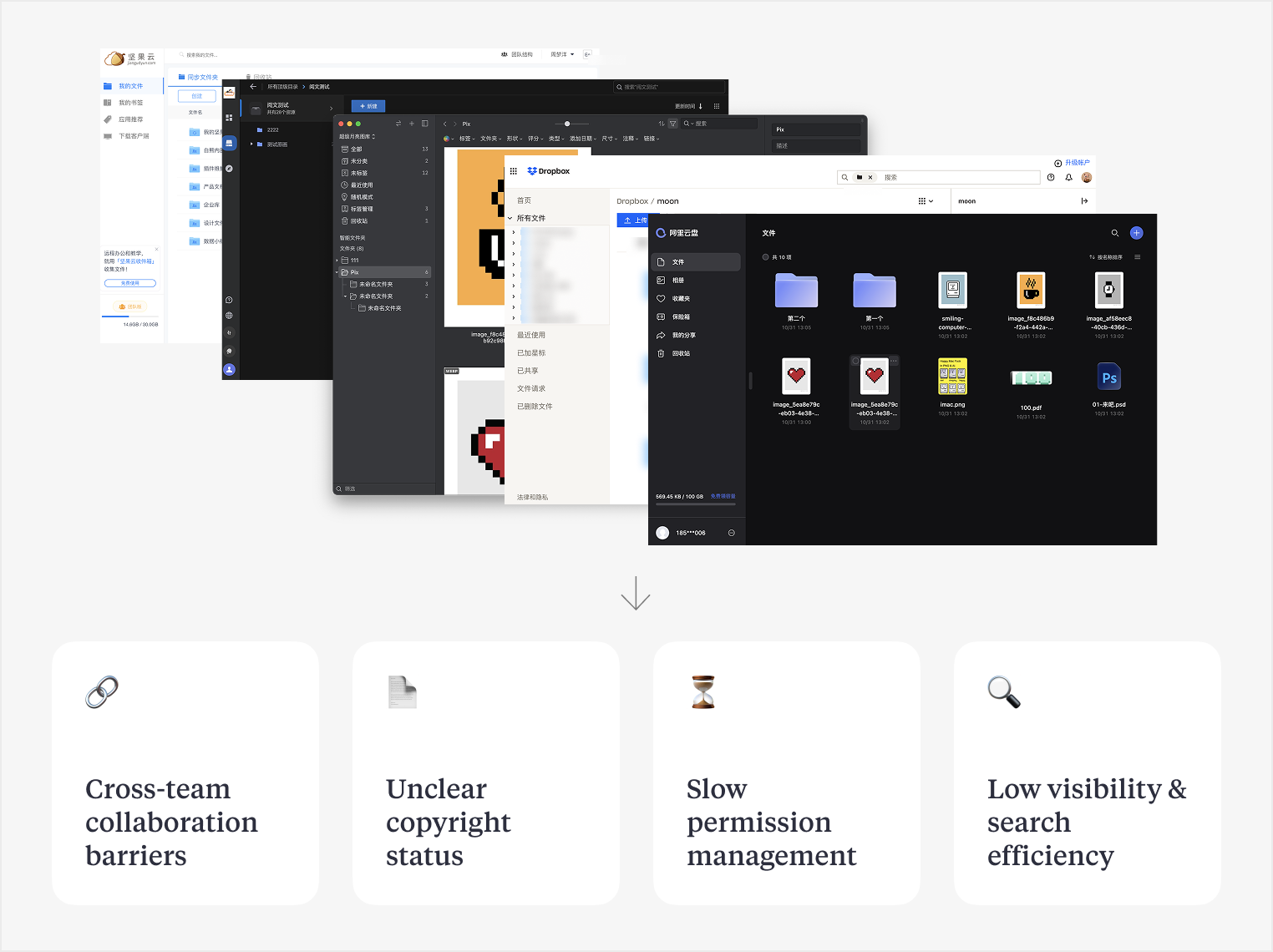
With a large and diverse product portfolio, cross-team collaboration is frequent at Yuewen. However, transferring design files between teams often became a pain point. Assets were scattered across different tools and storage systems, making it difficult to share, locate, and reuse resources efficiently.
To address this challenge, I led the Kalos project, a centralized platform that streamlines asset management, improves design productivity, and enables more seamless collaboration across teams.
Different teams within the design organization relied on various tools such as Eagle, Jianguoyun, and local storage solutions. Based on team feedback, I identified several key challenges:
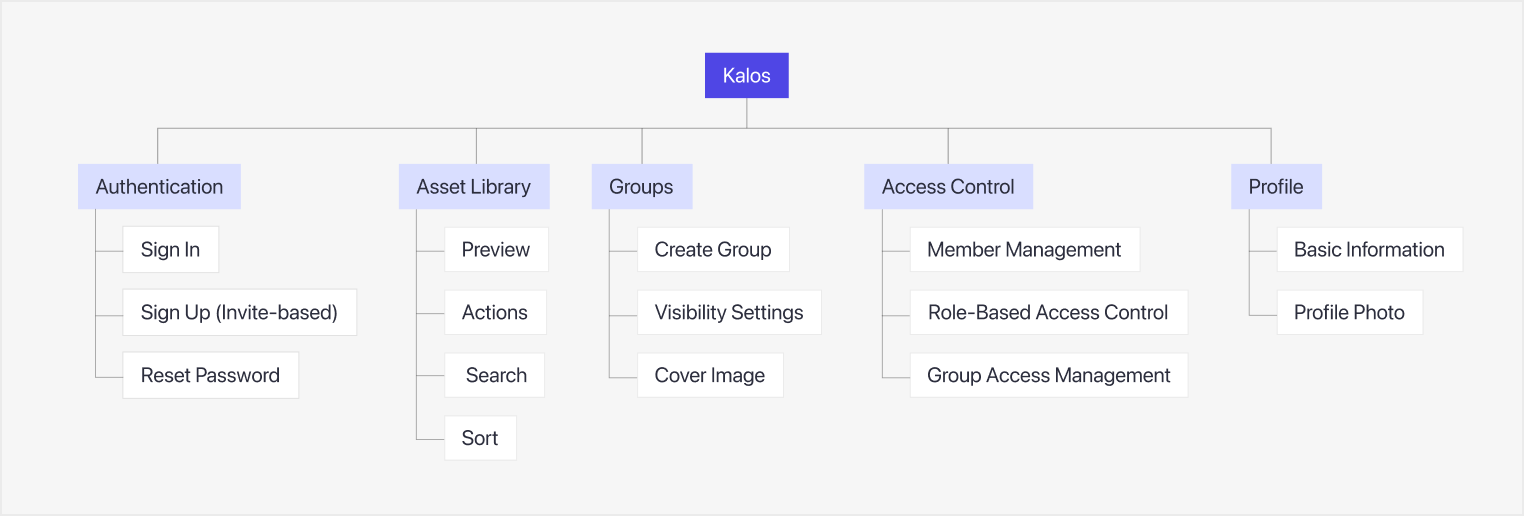
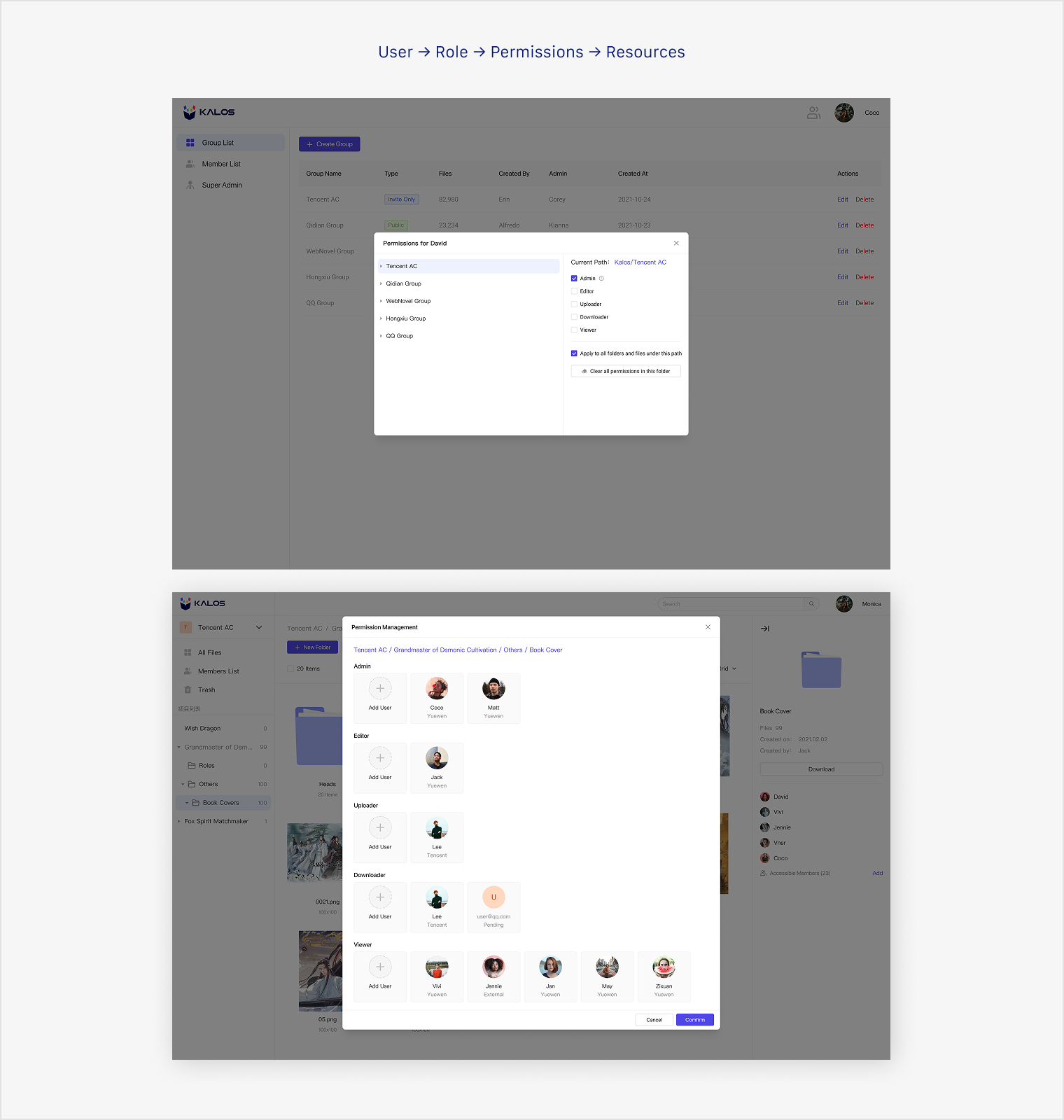
While the existing solution provided a strong foundation for the information architecture, the key challenge lay in defining role-based permissions that balance flexibility, clarity, and security.
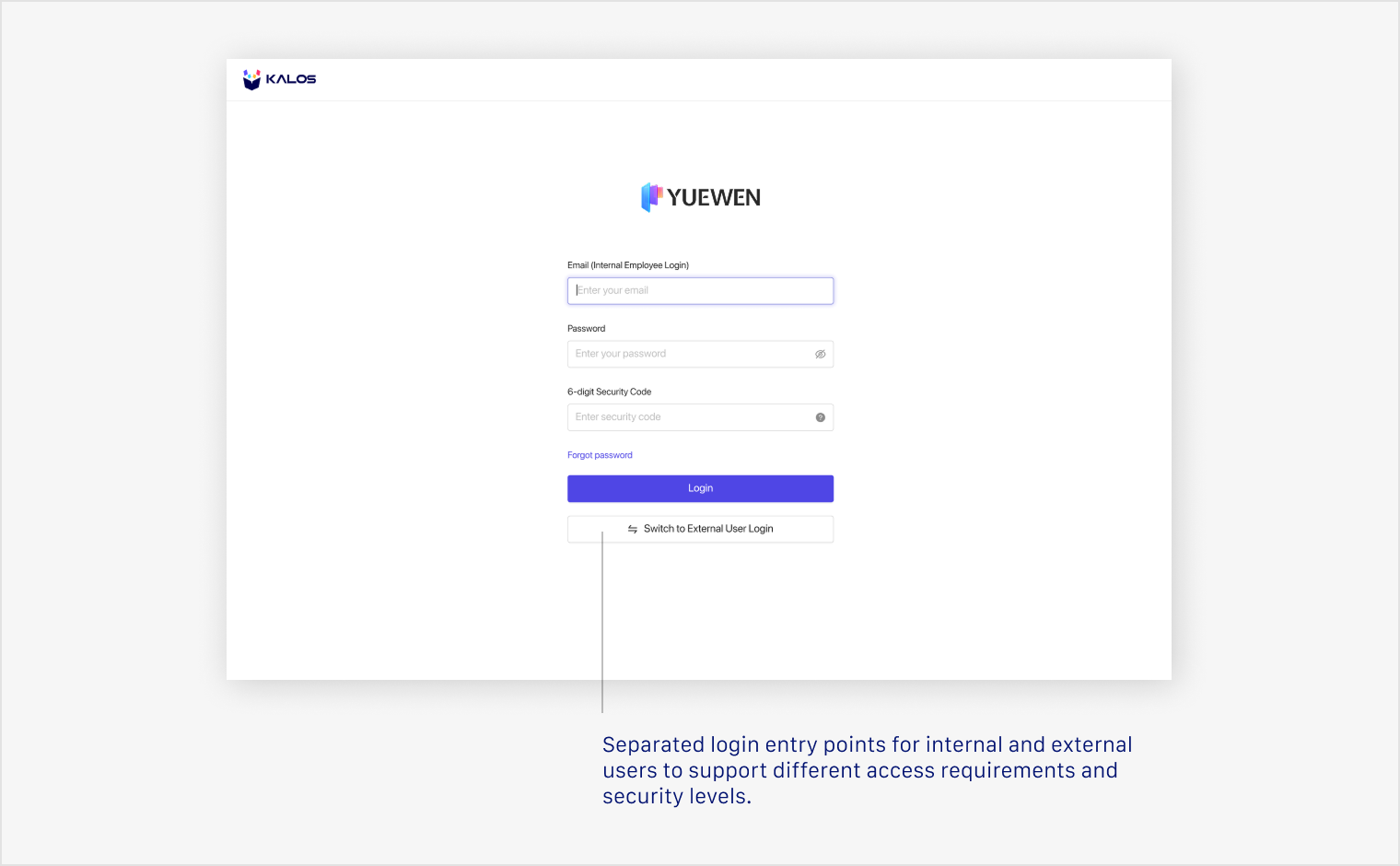
To improve collaboration between internal teams and external partners, we introduced external user access. This enabled all assets to be managed within a single platform, while ensuring clearer and more secure access control.
As permission requirements grew more complex across roles, teams, and hierarchical asset structures, a simple user-based model was no longer sufficient.
We adopted a Role-Based Access Control (RBAC) model, shifting permission management from individual users to roles.
This significantly improved scalability, consistency, and administrative efficiency, while reducing cognitive load and minimizing errors in permission configuration.
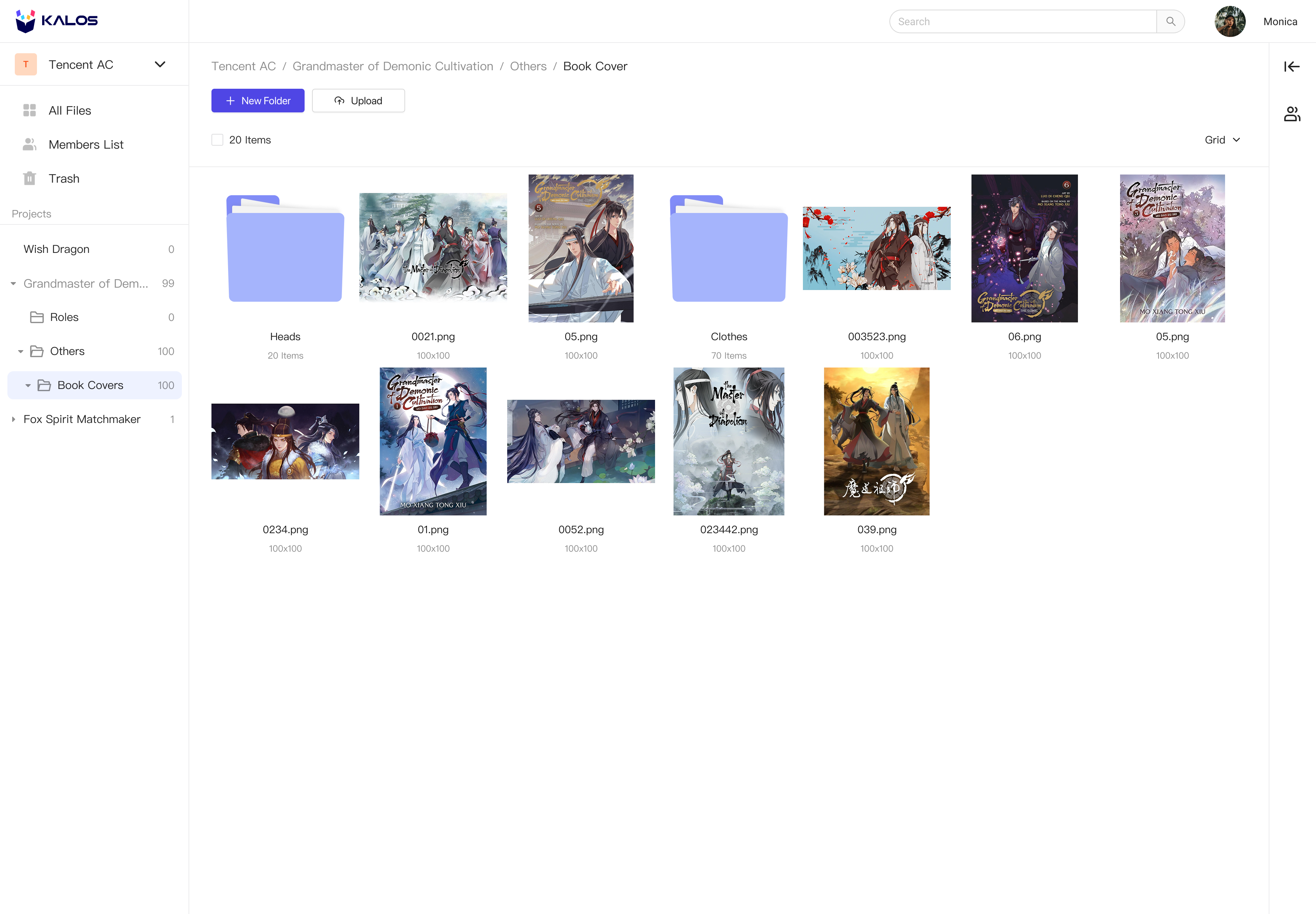
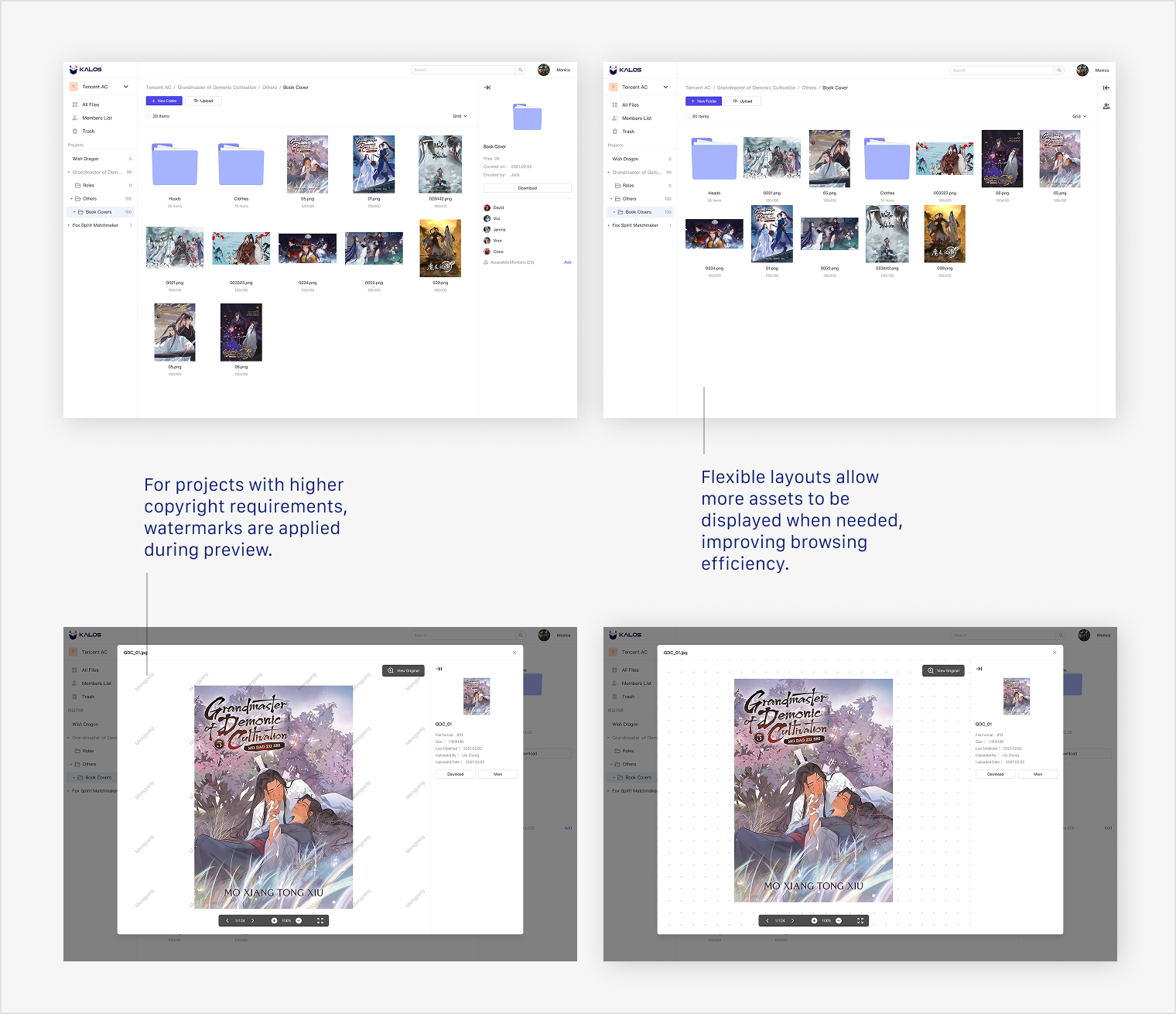
Built a centralized asset library to streamline asset management and improve discoverability. The system supports flexible browsing, content protection, and scalable access control, enabling efficient collaboration across teams.
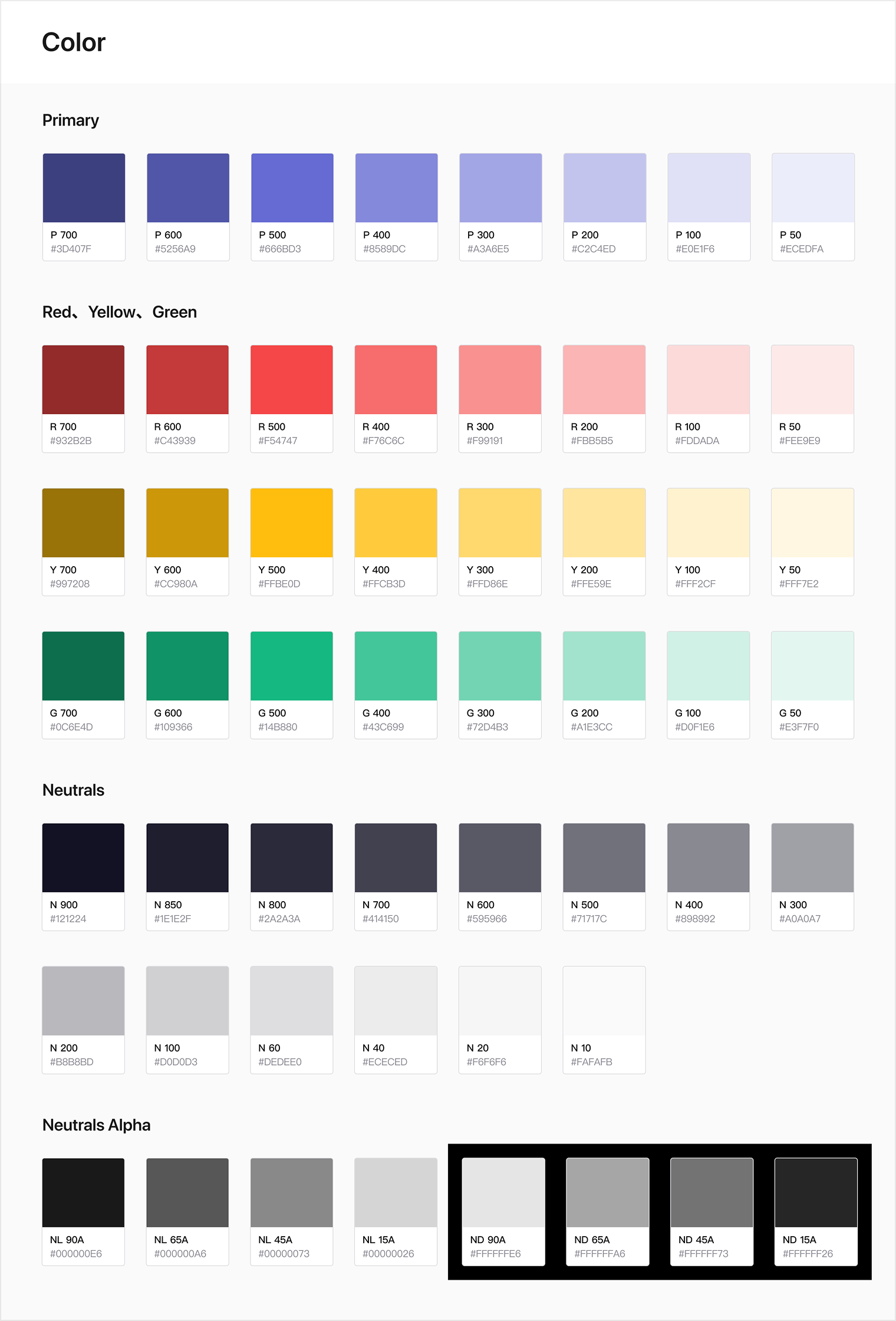
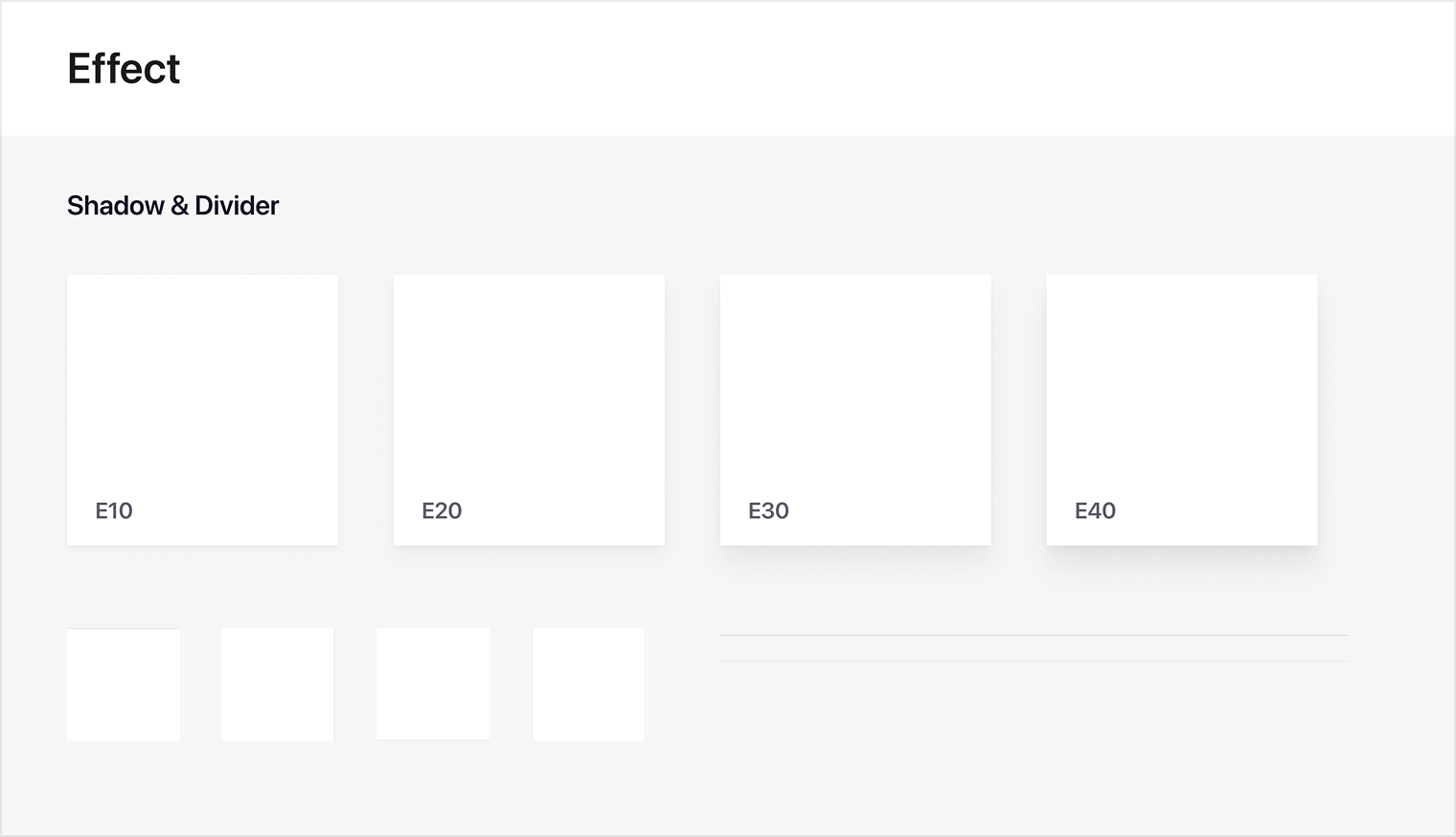
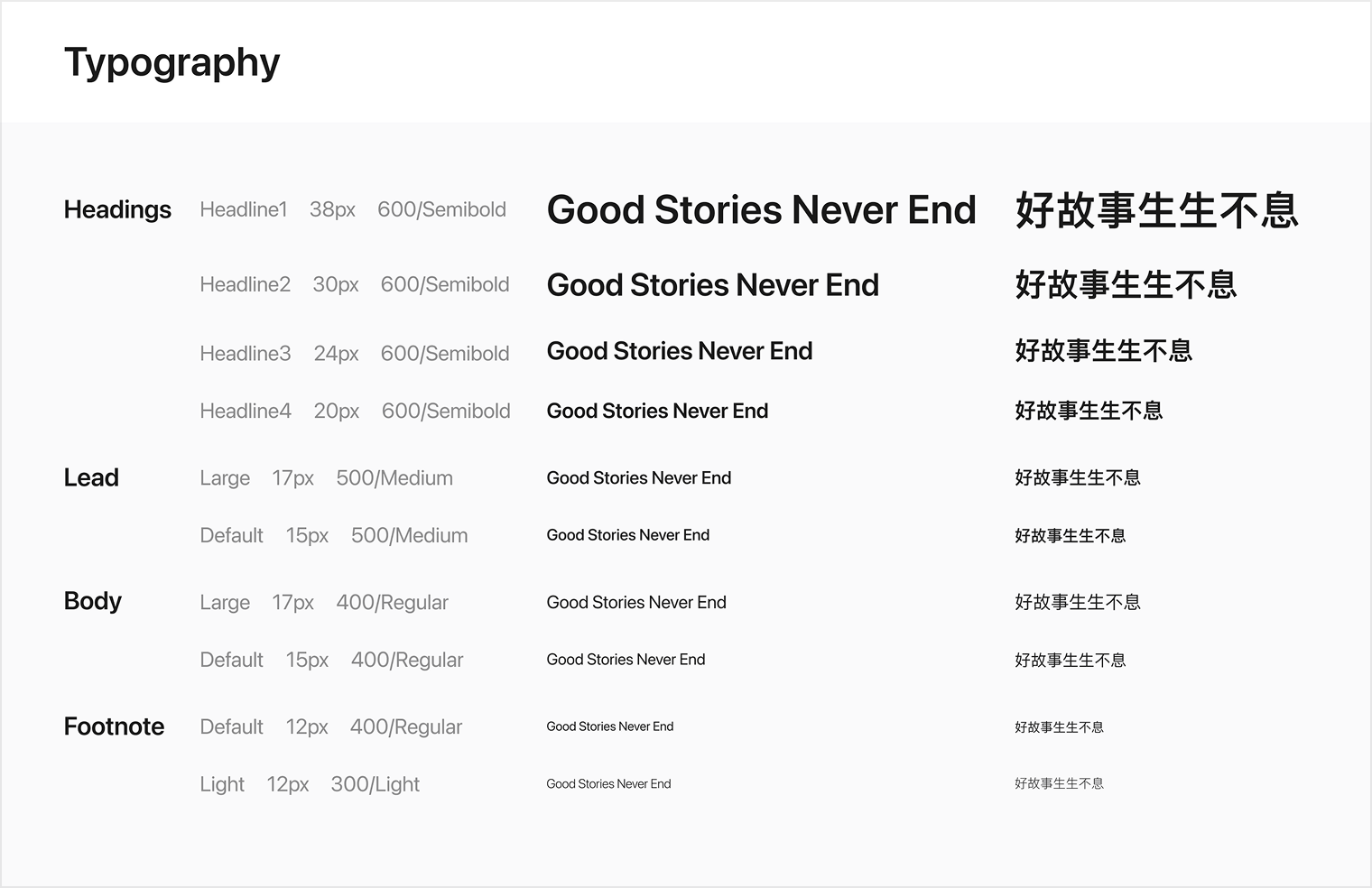
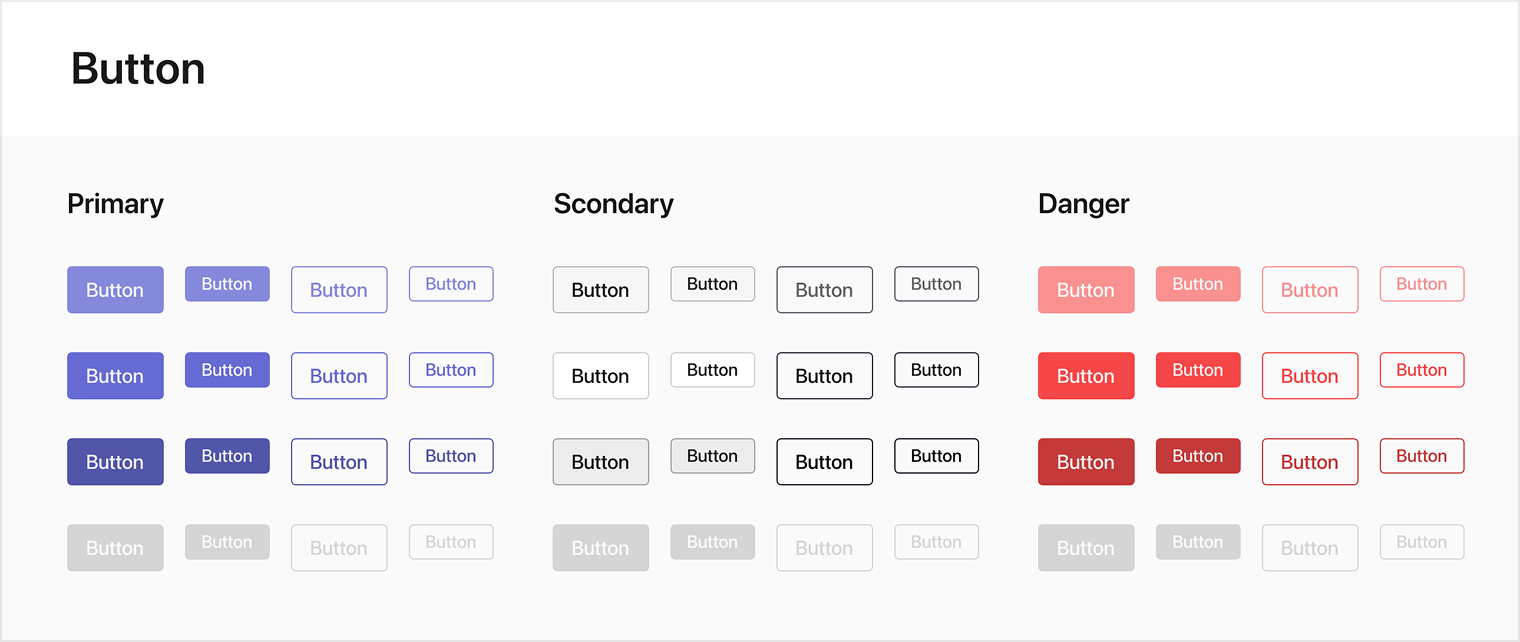
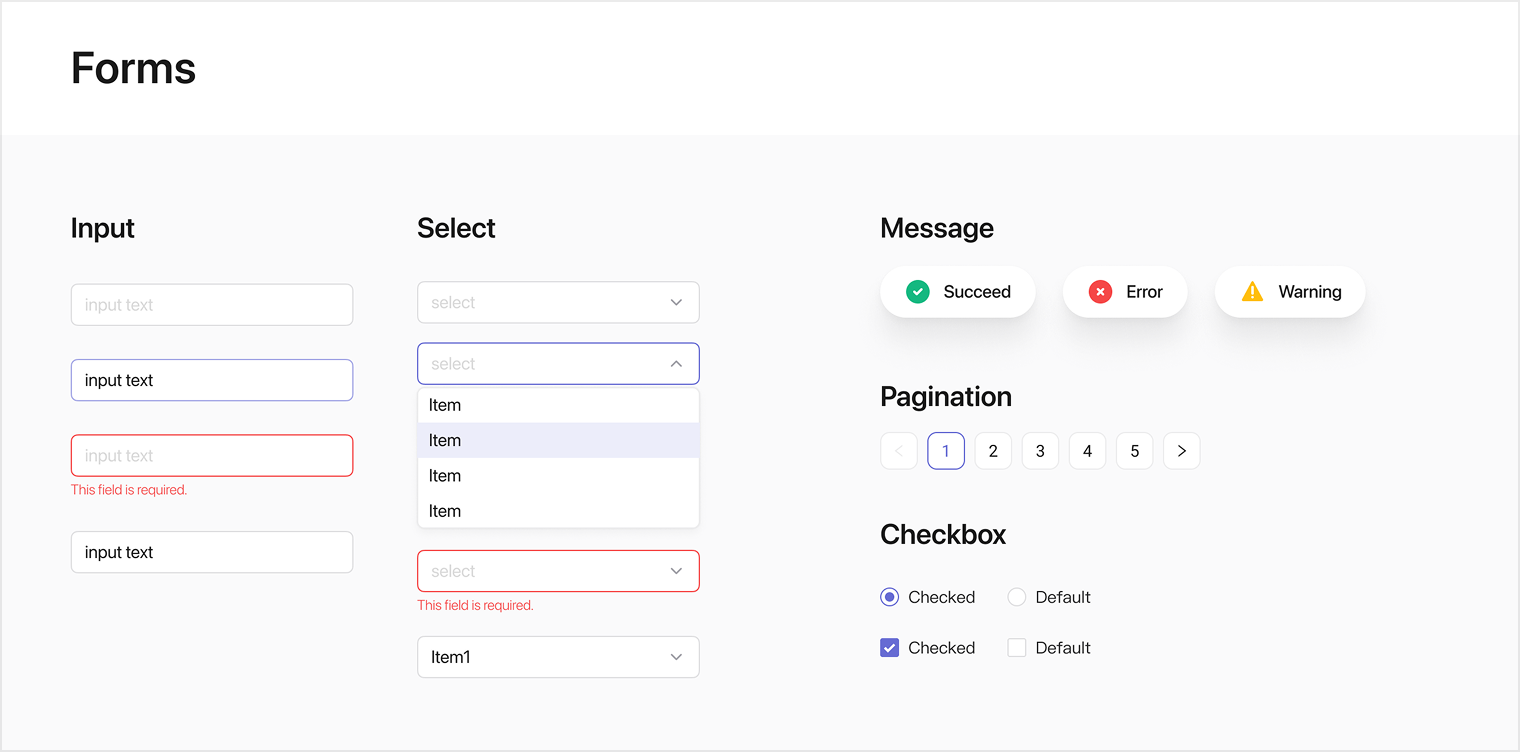
To support rapid product development, I built a scalable design system that improved consistency and team efficiency.
This project taught me to operate beyond the traditional role of a designer. I took on responsibilities across product strategy, cross-functional alignment, and project execution, driving the initiative from concept to launch.